
Drinking water — made easier
Drink enough water without stress or complicated rules
Many of us forget to drink until we feel dry or tired. These pages use clear, everyday language to help you sip water regularly — at home, at work, or on the move — with tips that fit a normal UK routine.
Based in the UK — tips for real British weather and routines
What this website is
Terms of UseVivovita.world publishes free, plain-English guides about everyday drinking habits for adults in the UK. We are an information website only: we do not sell water filters, supplements, apps, or medical services, and we do not replace a doctor, nurse, dietitian, or pharmacist.
Optional local meet-ups listed below are informal community sessions about routines and refills — not healthcare appointments. See our Privacy Policy, Cookie Policy, and Contact for who we are and how to reach us.
Why it helps to drink water little and often
When to drink through the dayWater is part of how your body works every day: it helps you stay at a comfortable temperature, keeps joints moving smoothly, and carries nutrients around your system. When you sip regularly, many people feel more comfortable day to day — for example a less dry mouth or throat. This varies by person; it is not a promise of better health or that every headache or tired spell is from fluids alone.
In the UK, NHS guidance reminds people to think about all drinks over the day — not only plain water — and to get fluids from food too. You do not need a perfect score. Simple habits help: fill a bottle after breakfast, have a glass with lunch, take a bottle when you leave the house. Our guides are built around those kinds of steps, whether you work shifts, study, sit at a desk, or run after kids.
A good image to keep in mind: little and often. Sipping through the day usually feels better than almost no drinks and then a huge amount late at night, which can be uncomfortable or mean extra trips to the toilet when you want to sleep.
- Daytime comfort: small drinks through the day often beat waiting until your mouth feels dry — for many people, not everyone.
- Cold offices, hot days: dry air and warm weather both make you lose more fluid — keep water within reach.
- Not only tap water: tea, coffee, milk, and water-rich foods (like fruit and soup) still add to your fluids.
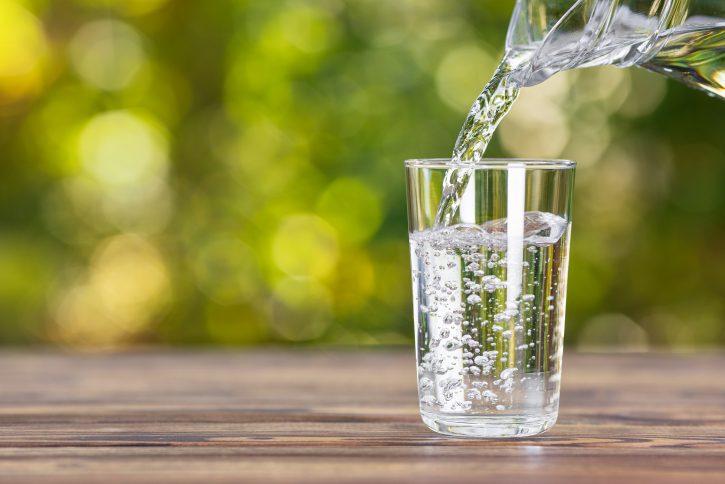
How much should you drink? Start with a simple guide, then adjust
Full guide: amounts & bottles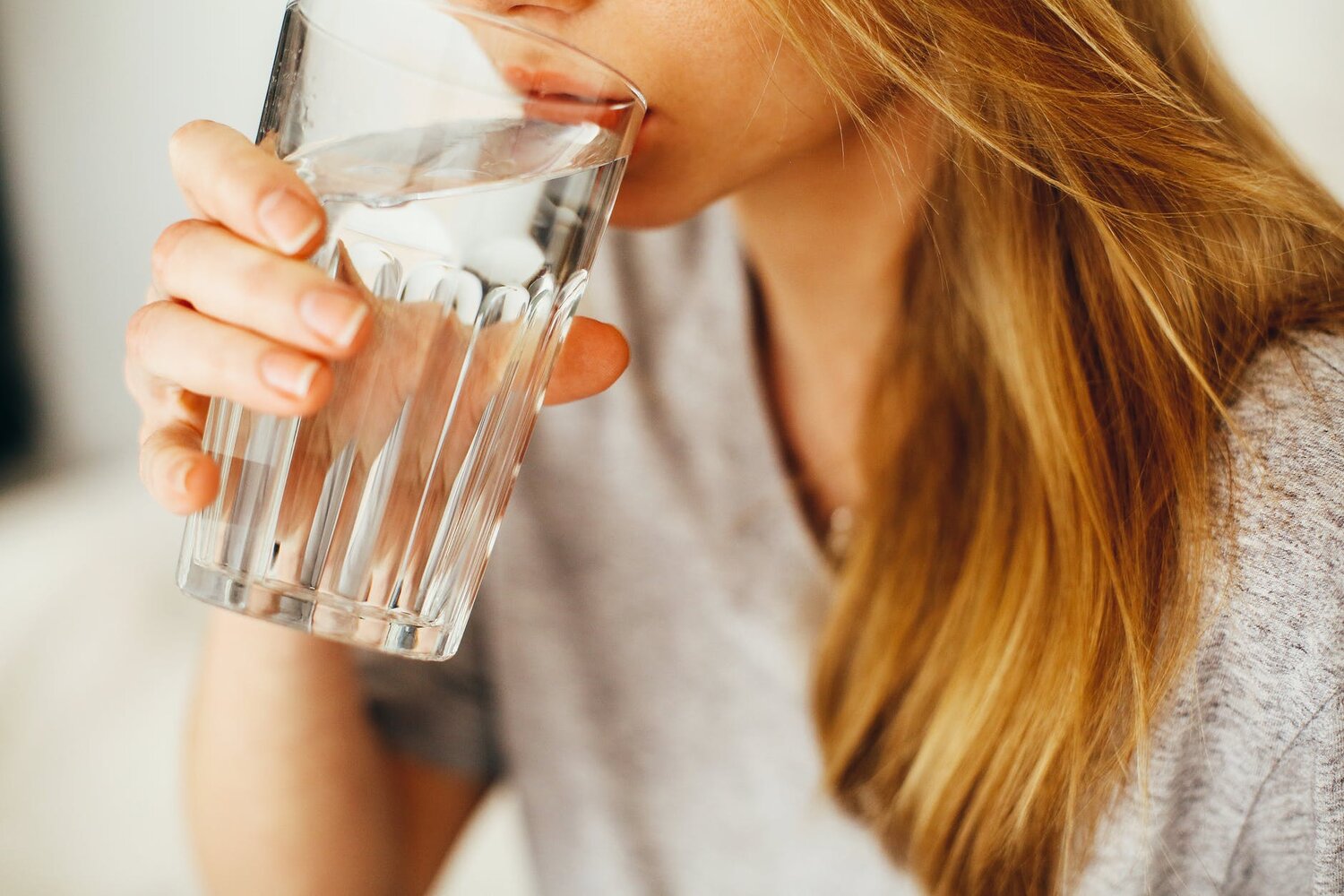
You may have heard something like six to eight glasses of fluid a day from different drinks. That is only a rough guide. How much you need changes with your size, how active you are, and the weather. Many people find it easier to count bottles: for example, finishing a 500 ml bottle a few times between morning and evening may be about right on a normal day — then you add more if you exercise or it is very hot.
If you do hard physical work or spend time in the heat, you will usually need more frequent drinks. If you sit in a dry, air-conditioned office, you might get thirsty without noticing at first. Try noticing how you feel over a week or two instead of worrying about one “bad” day.
We share simple planning ideas and bottle examples on this site. If you are pregnant, unwell, or a doctor has told you to limit or change fluids, always follow their advice — not a website.
Spread your drinks through the day — it is simpler than “catching up” at night
Step-by-step daytime planMost people do not fail at drinking water because they do not care — life is just busy, and every day looks different. What works is linking drinks to things you already do: put your bottle next to your keys, have a glass while the kettle boils, or sip when you sit down to eat. You do not need the same timetable every day; you need a few reminders that are easy to repeat.
Three easy anchors to try
- After you brush your teeth: drink a small glass of water.
- With meals: have a glass of water (or another drink) on the table.
- When you see your bottle: if it is half full, take a few sips before you walk away.
A note on colour and comfort
Urine colour can hint that you need more fluids, but things like vitamins or some foods change colour too — look at the general pattern, not one trip to the toilet. If you feel very unwell, dizzy for no clear reason, or anything that worries you, contact a doctor or NHS 111 — do not try to fix it only by drinking more or less water.
Before bed, some people like a warm drink; others sleep better with less liquid late on. Try what suits you.
Choose a bottle or glass that makes drinking easy
At work and on the goThe “best” bottle is the one you will use. A metal bottle keeps water cool on a winter walk; a light plastic one is fine if your bag is heavy. Glass with a rubber sleeve can help if you do not like the taste from metal. Wide openings are easier to clean — that matters more than an expensive logo.
At work, keep a glass or bottle where you can see it. If your workplace has a water tap or cooler, learn where it is so refilling becomes a quick break instead of a chore.
On long trains or coaches, fill up before you travel and sip now and then — air conditioning dries the air and you may not notice you are thirsty.
Reuse one bottle
One refillable bottle used for months means less plastic waste and fewer impulse buys.
Stack the habitAt home
Leave a jug or glass on the counter while you cook — you will sip without thinking about it.
Ask a questionPlain water too boring?
Try a slice of lemon, cucumber, mint, or a few frozen berries — small change, easier to drink.
Explore targetsIt is not only plain water — other drinks and food count too
See how we count drinksPlain water is cheap, tooth-friendly, and easy to find — so we treat it as the main option. But in a typical UK day you also get fluid from tea, coffee, milk, juice, and from foods with high water content (soup, yoghurt, fruit, salad). That all counts towards how hydrated you are overall.
Fizzy and sugary drinks are fine now and then for many people; if you want to cut sugar, alternating with water or sugar-free options is a practical step. If you drink alcohol, adding a glass of water now and then often feels better the next day. This is general lifestyle talk, not medical advice.
After a soup or stew, you have already had quite a lot of liquid — you may not need to force extra bottles on top. Listen to your body.
Staying safe: how to use this site
Contact the teamThis website offers general lifestyle information about drinking water. It is not a substitute for a doctor, nurse, or other health professional, and we do not diagnose, treat, or prevent any medical condition. If you have severe pain, fainting, ongoing vomiting, confusion, or signs of heat exhaustion in hot weather, call NHS 111 or 999 in an emergency — do not rely on these pages alone.
Some medical conditions need special rules about how much or how little to drink. If you have been told to restrict fluids, or you have kidney, heart, or eating-disorder related advice from a clinic, follow their instructions. Pregnancy and breastfeeding also change what is sensible — your midwife or GP can guide you. Children should be offered drinks with adult supervision. Drinking extreme amounts of water in a short time can be dangerous — do not treat “more is always better” as true.
UK tap water is generally safe to drink. If the taste of chlorine bothers you, leaving a covered jug in the fridge for a short time often helps. Wash reusable bottles properly and replace damaged lids or straws. At work, follow your employer’s safety rules — drinking water supports you, but it does not replace proper protective equipment where that is required.
- Go slowly: change habits step by step. If something upsets your stomach or sleep, ease off.
- UK help: keep NHS 111 and your GP surgery’s details handy for health questions.
- Your data: see our Privacy Policy if you use the contact form.
Upcoming get-togethers about water habits
RSVP by contact formWe sometimes run small, free, informal meet-ups about everyday drinking habits — for example finding refill points on a commute or planning simple daily sips. They are peer-style community chats, not clinics, coaching packages, or paid courses. Places depend on the venue and may fill up; confirmation is by email when we can offer a space. To request a place, use the contact form and put the event name in your message. Times are UK local time (GMT or BST).
| Date | Location theme | What to bring |
|---|---|---|
| Thu 5 Jun 2026 · 18:30 BST | “Refill Manchester” walking map session (city centre cues) | Comfortable shoes plus your favourite empty bottle |
| Sat 21 Jun 2026 · 10:00 BST | Kitchen habit stacking at home setups (online) | Notebook, two glasses you already own |
| Wed 9 Jul 2026 · 12:45 BST | Lunchtime desk reset for hybrid workers | Laptop headphones optional; water already poured |
If a venue changes, we will email people who have booked a spot where we can. Sessions stay free and conversational — not sales pitches for supplements, filters, or paid programmes.
Common questions
More in our guidesDo tea and coffee count as drinks?
For most adults, yes — they still add to your daily fluids. If you pee more after coffee, you can sip a glass of water as well; you do not have to cut out tea or coffee.
I keep forgetting to drink — is that my fault?
No. Forgetting is normal when you are busy. Put your bottle where you will see it, or tie drinking to a fixed habit (for example: water after you brush your teeth).
Can I trust thirst to tell me when to drink?
Thirst helps many people, but not always straight away. Older adults or people concentrating hard may feel thirsty late. Drinking with meals and keeping water nearby is a simple backup.
Can you drink too much water?
Yes, if someone drinks a very large amount very quickly — that is uncommon in daily life but can happen in some sports situations. Drink at a normal pace. If a doctor has told you to limit fluids, follow that advice.
Do you sell water bottles, supplements, or medical advice?
No. We publish free guides and sometimes run free community-style chats. We are not a shop or a clinic. For products, use a retailer you trust; for health concerns, speak to a qualified professional or NHS 111.
Does this website collect health information about me?
Only what you type yourself in the contact form (for example name, email, message). See our Privacy Policy for how long we keep it and your rights.